


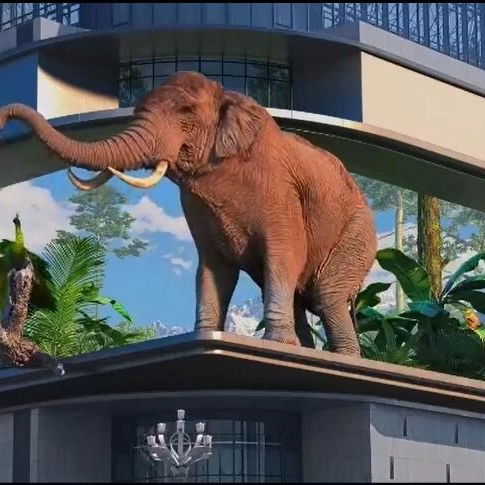

The evolution of digital displays has brought the world into an era where immersive, engaging visuals are not just an advantage but a necessity. Among the most cutting-edge innovations in the display industry is the 3D LED video wall, a remarkable technology that transforms standard advertising and presentation formats into powerful, eye-catching experiences. Whether used for advertising, events, retail, entertainment, or corporate presentations, these displays offer breathtaking realism and interaction, captivating audiences in a way that traditional 2D screens cannot.
In this article, we will explore the technology behind 3D LED video walls, their benefits, applications across various industries, and how companies like LEDKUL are leading the charge in this revolution with their advanced display solutions.
What is a 3D LED Video Wall?
A 3D LED video wall is a large-scale digital display composed of multiple LED panels arranged to form a seamless screen that delivers three-dimensional visuals. By using advanced naked-eye 3D technology, these video walls allow viewers to experience depth, motion, and interaction without the need for 3D glasses or accessories.
Unlike traditional LED walls that display flat, two-dimensional content, 3D LED video walls create the illusion that objects are emerging from the screen or receding into it, offering an immersive and visually engaging experience. This type of display is especially effective for large venues such as stadiums, theaters, public squares, and shopping malls, where the visual impact of the 3D content can captivate large audiences.
How Do 3D LED Video Walls Work?
The technology behind 3D LED video walls leverages multiple key components to achieve the stunning, life-like visual effects:
1. High-Resolution LED Panels
LED video walls are made up of numerous small LED panels, each containing an array of light-emitting diodes that produce bright, vibrant images. The resolution of the video wall is determined by the pixel pitch, which refers to the distance between individual LEDs. The closer the pixel pitch, the higher the resolution, making the video wall suitable for displaying highly detailed 3D content.
2. Naked-Eye 3D Technology
3D LED video walls use autostereoscopic technology, which allows the display to project different images to each of the viewer’s eyes. This creates the illusion of depth and makes objects on the screen appear three-dimensional without requiring any additional equipment like 3D glasses. This effect is achieved by layering two images together and using lenticular lenses or parallax barriers to direct these images to the appropriate eye.
3. Forced Perspective
To make the 3D visuals stand out, content designers often use forced perspective, a design technique that manipulates the scale, angle, and distance of objects within the scene. This technique tricks the viewer’s eyes into perceiving that objects are coming toward them or moving away from them, making the content feel more realistic and dynamic.
4. Content Creation and Animation
The effectiveness of a 3D LED video wall relies heavily on high-quality 3D content. Designers and animators use specialized software to create detailed 3D models and animations that leverage the depth and motion capabilities of the display. The content must be meticulously crafted to ensure that the 3D effects are convincing and impactful from multiple viewing angles.

Benefits of 3D LED Video Walls
3D LED video walls are a game-changing tool for any organization looking to elevate their visual presentations or advertising efforts. Here are some of the primary benefits of using 3D LED video walls:
1. Unparalleled Visual Impact
One of the most significant advantages of 3D LED video walls is their ability to deliver stunning, attention-grabbing visuals. The 3D effects, combined with the brightness and vibrancy of LED displays, make it impossible for passersby to ignore. These video walls offer a “wow factor” that can captivate audiences, creating a lasting impression that enhances brand awareness.
2. Enhanced Audience Engagement
Research has shown that 3D content tends to hold viewers’ attention longer than traditional 2D content. The immersive nature of a 3D LED video wall encourages audience interaction, whether through engagement in public spaces or greater retention in corporate settings. This heightened engagement translates into better brand recall, higher conversion rates, and more effective communication.
3. Flexible Design and Customization
One of the most appealing aspects of LED video walls is their scalability and flexibility. Video walls can be designed in various shapes and sizes to fit specific spaces, from a small corner display to a massive installation that covers an entire wall. Additionally, the content displayed can be tailored to the needs of the event, brand, or location, ensuring maximum relevance and impact.
4. Seamless Integration for Large-Scale Installations
LED video walls are modular, meaning that they can be expanded or reconfigured without visible seams between panels. This allows for large-scale, high-resolution installations that look smooth and professional, regardless of the display size. Whether used in stadiums, retail environments, or outdoor advertising, the seamless integration of these video walls ensures a visually cohesive display.
5. Durability and Energy Efficiency
LED technology is known for its durability and energy efficiency. 3D LED video walls are built to withstand continuous use, making them ideal for high-traffic public spaces or long-term installations. Additionally, LEDs consume less power compared to traditional lighting systems, reducing operational costs and environmental impact.
Applications of 3D LED Video Walls
The versatility of 3D LED video walls makes them suitable for a wide range of applications across industries. Below are some of the most prominent uses of this technology:
1. Advertising and Digital Out-of-Home (DOOH)
In the advertising industry, 3D LED video walls are quickly becoming a favored tool for Digital Out-of-Home (DOOH) campaigns. These displays are used in high-traffic areas like shopping malls, transportation hubs, and city squares to promote products and services with engaging 3D visuals. Brands use 3D video walls to create memorable campaigns that stand out from traditional billboards and signage.
2. Retail and Shopping Centers
Retailers use 3D LED video walls to create immersive shopping experiences that attract customers into their stores. These video walls can be placed at storefronts or throughout shopping centers to showcase products in dynamic 3D, offering customers a more engaging and interactive way to explore the brand’s offerings.
3. Entertainment and Events
Concerts, sporting events, and theatrical performances are using 3D LED video walls to enhance the overall experience for attendees. From projecting live-action visuals that enhance the performance to creating interactive, larger-than-life displays, 3D video walls add a level of excitement and engagement that elevates the entertainment experience.
4. Corporate and Conference Presentations
In corporate settings, 3D LED video walls are used to enhance presentations and product demonstrations. Businesses use these displays to showcase complex data, product models, and virtual environments in a way that is easier for audiences to understand and engage with. These video walls are particularly valuable for conferences, trade shows, and product launches, where high-impact visuals are essential for communication.
5. Museums and Exhibitions
Museums and exhibitions are adopting 3D LED video walls to create immersive educational experiences for visitors. By integrating 3D visuals into exhibits, museums can bring history, science, and art to life, offering visitors a more engaging way to interact with the content.
6. Architectural Installations
Architects and designers are using 3D LED video walls to create stunning visual installations that enhance the aesthetics of public and private spaces. These displays are often used as digital art installations in commercial buildings, hotels, and urban spaces, adding a modern and interactive element to the environment.


